
The networking layer for real-time software
Bond every link into one connection
Bond cellular, satellite, Wi-Fi, and wired links into one logical connection. Loss is repaired in flight and paths are traded per packet, so the connection survives conditions that would kill any individual link.
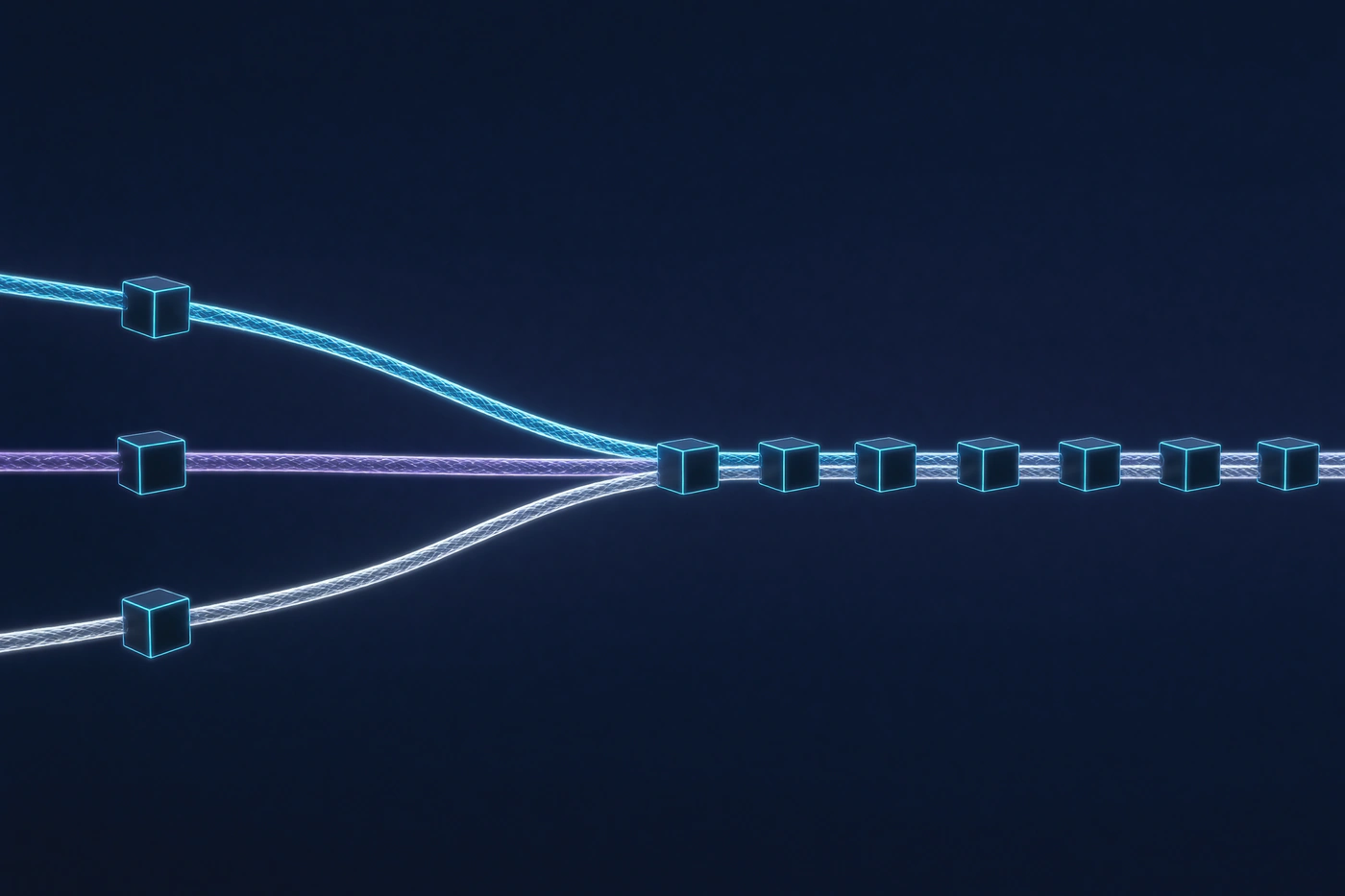
Per-packet path selection
Every packet rides whichever bonded link is healthiest at that instant. Path quality is re-evaluated continuously, not per session.
Loss recovered in flight
Hybrid FEC/ARQ: coding rebuilds most loss at the receiver without a round trip, retransmission covers the rest.
A latency budget you set
Define the allowable latency for the link and the RAFT transport delivers in order within that budget, holding to it as conditions shift.
Failover without a reset
If a carrier drops mid-session, traffic keeps flowing over the survivors. No session teardown, no cutover, no gap.

Low latency that holds, whatever the traffic
Reliable low-latency delivery for any traffic type: control loops, telemetry, audio, video, or bulk data. A tunable jitter buffer holds delay steady while in-flight loss recovery keeps the stream complete, without adding retransmission delay to the path.

Deterministic delay
Per-packet path selection plus a tunable jitter buffer keep delay flat, so control loops, intercom timing, and lip-sync stay intact.
Deliver within time budget
Set the latency the flow can tolerate and the transport holds to it, recovering loss in flight rather than letting retransmissions spike delay.
Guaranteed delivery, ordering
The RAFT transport guarantees delivery with fault tolerance, and can enforce ordering when you need it, keeping multi-flow workloads coherent across long-haul links.
An overlay network between your nodes
Nodes that share a hub discover one another and form an encrypted overlay: the foundation for a VPN or a full SD-WAN, running on hardware you already own.
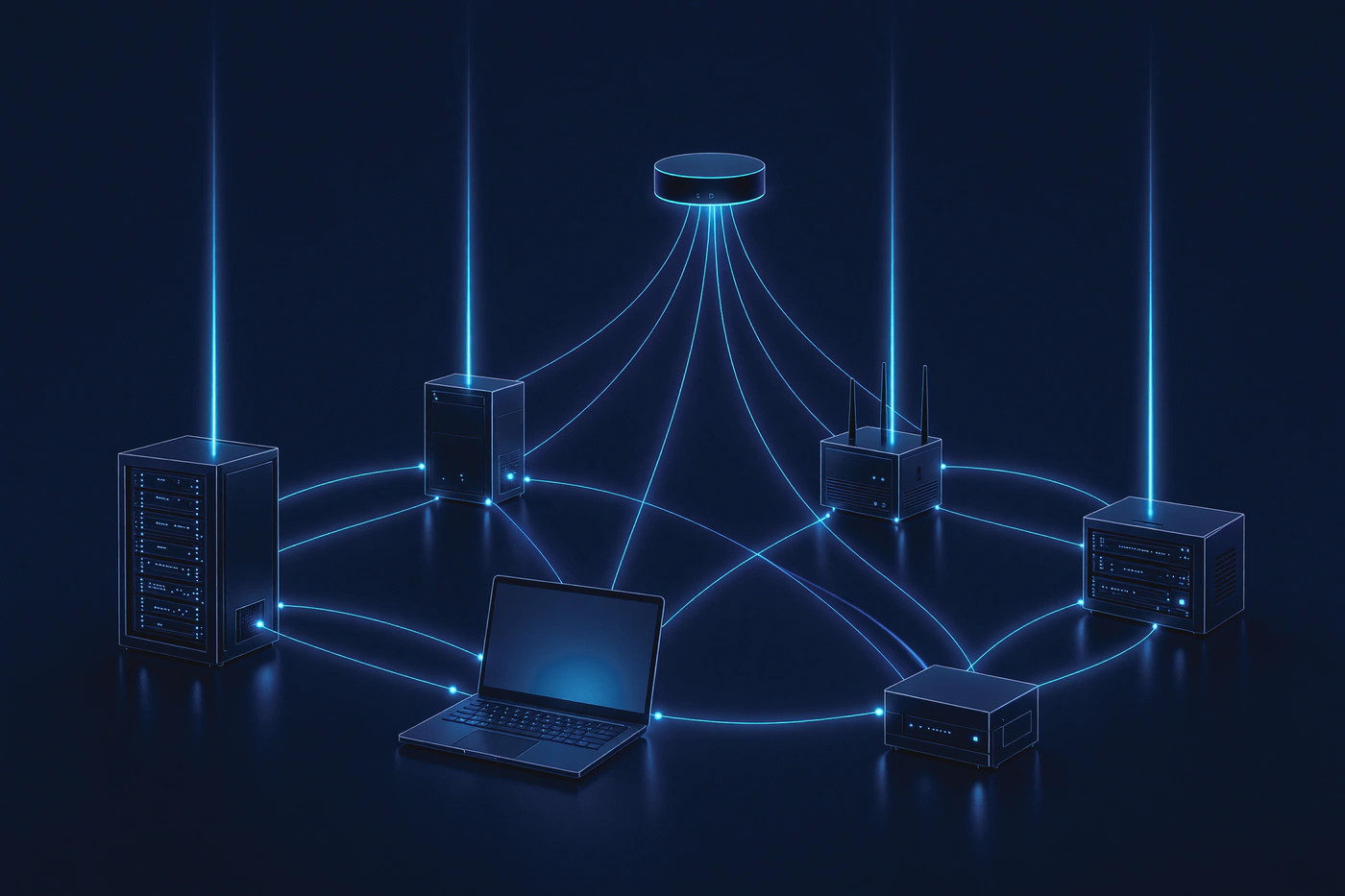
Discovery through the hub
The hub is the address book for your setup. Nodes authenticate once, appear in the cluster, and can be managed centrally from any single node.
A regular virtual interface
TUN/TAP interfaces expose the overlay to the OS like any other network device, so existing applications work unchanged.
Optimized tunneling built in
The TUN-to-UDP optimized tunnel runs the RAFT protocol inside the overlay, giving you bonding, FEC, and ARQ on every hop between nodes.
No appliance lock-in
Deploy on commodity hardware, steer traffic onto cheaper links first, and reserve expensive circuits like satellite for when they are needed.
Every path, measured live
Bandwidth, latency, and loss trackers run per path, so you see exactly what every link is doing while it carries traffic, and can prove it afterwards.

Per-path trackers
Latency, loss, and bandwidth are measured continuously on each bonded link, not just on the aggregate tunnel.
Real-time dashboards
Customizable dashboards and RTP observers give engineers a live view of every path, so issues are caught before they reach users or air.
An auditable record
Continuous per-path telemetry leaves a defensible record of how every link performed, which mission-critical operators can audit after the fact.

Encrypted and authenticated, end to end
Traffic is encrypted at the source and verified at the destination, across every hop and every carrier in between, so public cellular and satellite networks can carry private traffic.

Industry-standard ciphers
Confidentiality rests on proven, industry-standard cryptography rather than anything bespoke, so traffic stays private over public networks.
mTLS and per-tenant isolation
Nodes authenticate each other with mutual TLS, and tenants are isolated from one another inside the platform.
Per-packet authentication
BoringSSL encryption with Poly1305 signing and constant-auth verification makes every packet tamper-evident across untrusted links.
Built to live inside your stack
NanoPing is a layer you ship inside your product, not a box you bolt on. Drive everything over a gRPC API with native bindings, and compose the data plane from our extensive network component library.
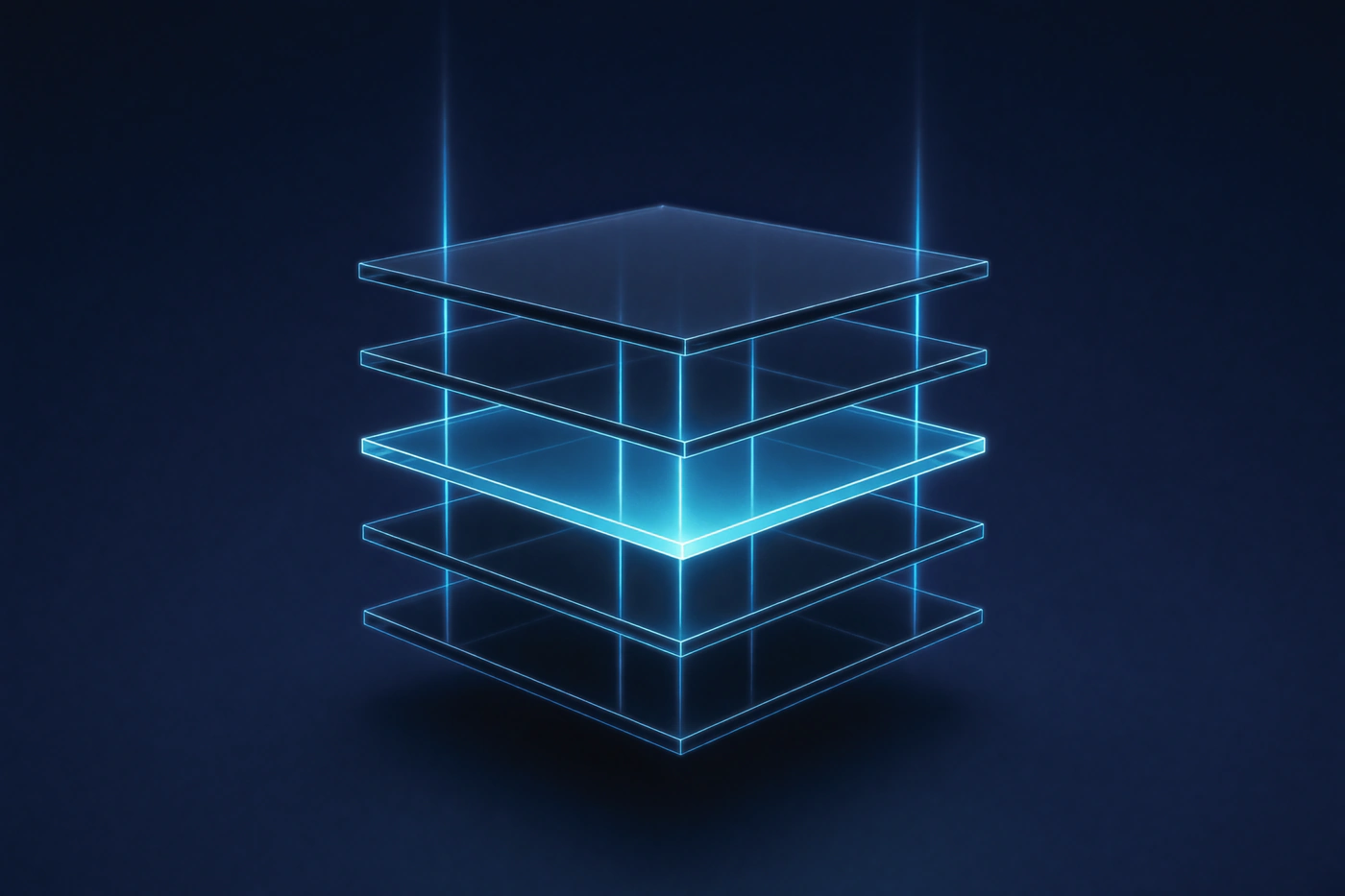
gRPC API, native bindings
Every operation is exposed over gRPC, with native bindings for all major languages, so the transport is controlled from your own code.
Composable pipelines
Build the data plane from a template, from scratch in the diagram editor, or by copying an existing node, drawing on our extensive network component library.
Reach the whole cluster
The hub gives you one control point for every node, so you manage and reach the entire cluster from any single node instead of jumping between dashboards.

See how it fits together
The architecture page covers nodes, the hub, pipelines, and the RAFT protocol. The documentation has component references and step-by-step reference setups.